Insult to injury: Long-suffering Stevens Point property owners being forced to bail the city’s boat

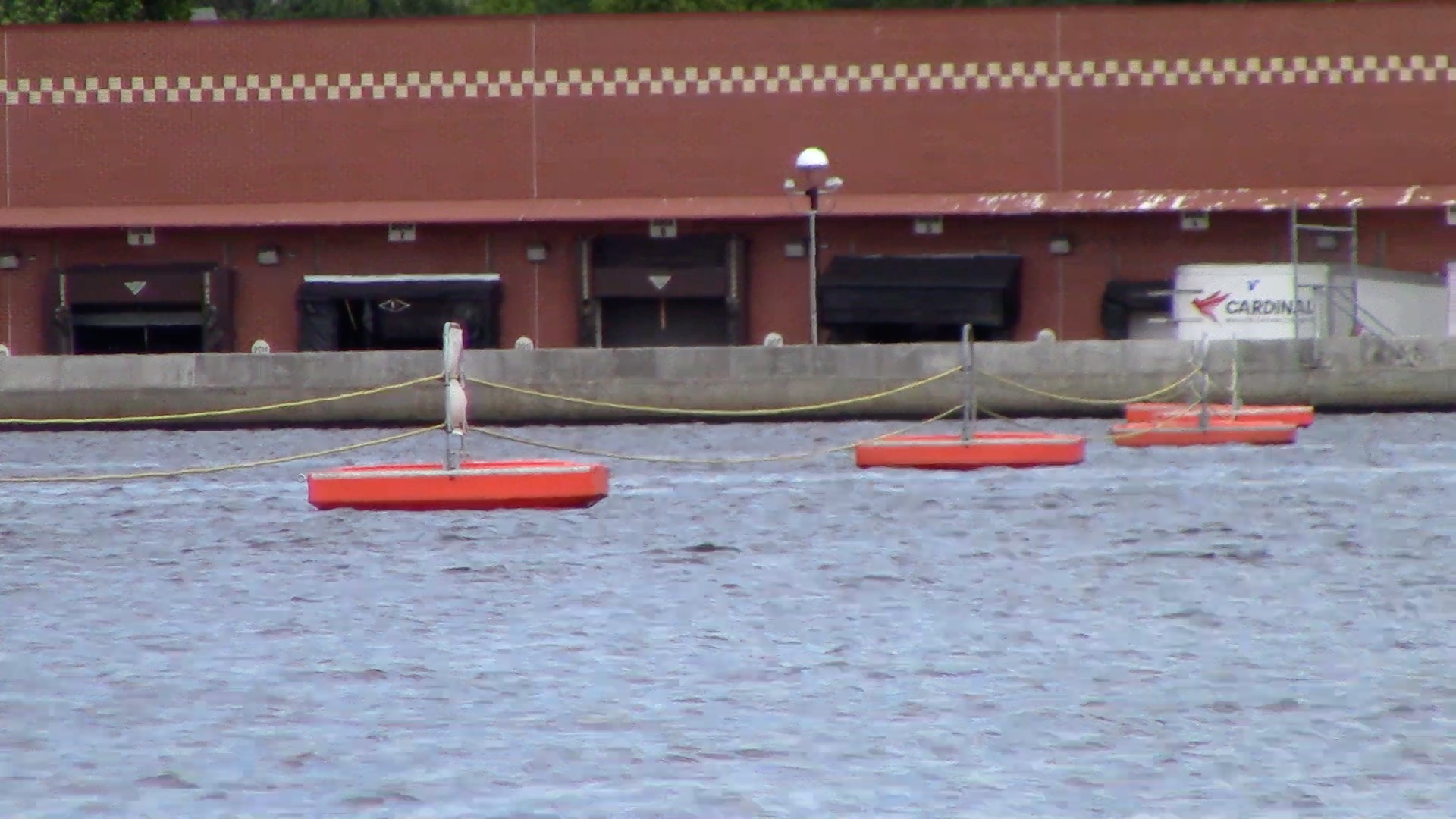
Wait a minute.  So those are my trucks behind that seawall?  (Photo courtesy of Mike Richards)

Wait a minute. So those are my trucks behind that seawall? (Photo courtesy of Mike Richards)

Want to anger your neighbors? Invite them all to a party, then send the entire bill to just a few of them after the party is over, telling them they took two appetizers over the limit.

Now let’s take a step back and talk about flood insurance.

Unless it’s the IRS, there’s probably no federal agency more vilified than the Federal Emergency Management Agency — none I’d less like to work for, none that gets a worse rap, none that’s as underappreciated.  That’s unfair to FEMA, but it’s also fair to say that none deserves our money less, as federal flood insurance is a boondoggle of the highest order.

About 200 Stevens Point property owners are finally going to be out from under the yoke of a program that encourages those with money to build stuff where they shouldn’t, where floods destroy it and then let all of us pay for rebuilding it.   Except that I get to pay a whole lot more than most people do.

It’s a despicable political outcome to a well-intentioned but poorly executed effort, and as one of those unfortunate Point property owners, I say good riddance to the 100-year flood zone and its attendant insurance costs.

The city’s attempt to portray a few property owners as the sole beneficiaries of the seawall is a disingenous breach of trust and a violation of the most basic precepts of community.

For my family, the cost was scheduled to be more than $1,900 in 2015-16.  The City of Stevens Point apparently feels that, because I and my fellow residents east of downtown had to flush that money down the toilet for all these years, we should happily accept an assessment to pay for buildup of a seawall that has removed us from this burden.

Essentially, because we had to live with a problem of someone else’s creation for many years, we shouldn’t be angry about having to pay for work in someone else’s backyard that finally gets rid of the problem and brings a number of other community benefits along with it. Continue reading
Hey, Aussies … stop making fun of us. We’re tougher than you think.

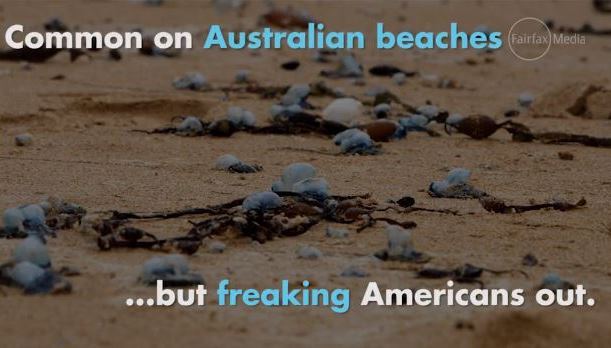
Just one of these has caused panic on the East Coast, but they're common in Australia.

Just one of these has caused panic on the East Coast, but they’re common in Australia. (Screen capture from Fairfax Media video)

Australia is home to more deadly creatures than any other continent, and the typical Aussie response is to pooh-pooh their dangers. But that doesn’t mean folks in Oz should hit us below the belt when something comes along that we’re not used to.

This amusing report pokes fun at New Jersey’s response to the unusual appearance of a single bluebottle, also know as the Portuguese man of war.  Complete with ominous music, the accompanying video makes light of a situation that’s rare in Jersey but in Australia occurs frequently and with far greater numbers of bluebottles.

Granted: the Jersey folks overreacted.  But not all North Americans are wimps.  Wisconsinites have dealt with strange creatures that would send shivers down the spines of even the toughest Australians.

“It has more things that will kill you than anywhere else.” Bill Bryson on Australia

Yes, Oz is well known for the extraordinary presence of venomous bugs, snakes and even mammals, not to mention other dangerous creatures like great white sharks and the cassowary.  Bill Bryson’s book In a Sunburned Country  devotes a great deal of discussion to this charming aspect of the Land Down Under.

Continue reading

A little more Friday good news from foreign lands

What a great end to the week it’s been for folks who see beyond their own personal leanings or pocketbooks.  The Supreme Court’s landmark decisions on health care and gay rights were absolutely the right things to do; for many people, they were also quite unexpected, and I count myself in that group.

Maybe it’s just being a resident of a state that has gone bass-ackwards in the last five years.  In education, natural resources and parks, health care, and social services, it seems we’ve done all the wrong things.

I’ve lowered my expectations to the point that seeing a public institution genuinely act in the public interest is a jaw-dropping experience. Mine hit the floor so hard and often this week that I’m fortunate to have teeth left.

Lost in the really big news this week is a smaller story out of New York City, a place as urbane and symbolically far removed from Wis-Gone-Sin as you can get and still stay on the same continent. Central Park has been closed to cars, starting this evening.

The New York Times quoted Mayor Bill de Blasio’s written statement on the closure.  “Like all public space, our parks have a lot of demands put on them,” the mayor said. “But traffic shouldn’t be one of them. Our city needs places where kids can run around safely, where people can jog or go for a walk after a long day of work and not have cars racing by five feet away.”

If you love parks and the outdors, this is great news. If you care about the health of people and cities, this is great news.

Ultimately, the vast majority of people probably fit into at least one of those two groups, although some people in them may forget about those values when short-term or profit-oriented factors come into play.

That’s why it’s so delightful to see this change made for the good of all.  Like social stability and good health care, our parks and public spaces, even if not all of us use them, bring untold value to our shared communities.

Let’s hope more of our so-called leaders in Wisconsin start getting the message.

Good news is a reminder to all of us that we can help these things happen. Speak up. Keep up the pressure.

Maybe we can make our state part of the nation again.