Metaphors: Is this life and death? Is it war?

In journalism, as in other forms of research, asking the right questions is often the best way to start organizing our thoughts about issues that are difficult to grasp fully.  After Black Friday, that’s what I find myself doing in regard to education in Wisconsin.

It’s easy to be in a funk after what might be the most severe one-two punch to higher education in Wisconsin history.  It’s difficult to decide what to do about it, but perhaps if we all — educators, students, parents, and stakeholders in the system — could find the right words and organizing concepts to examine what’s happening in our home, we could more effectively move forward.

Here are some of the questions I’m asking myself, because I’m also going to be asking my colleagues, my neighbors and my friends.

Does the University of Wisconsin System now, as this online petition  asserts, “stand at the brink of an inexorable death spiral?” Some faculty apparently aren’t waiting to find out.
Continue reading

Ain’t it funny how time slips away?

A week that started with floods in Texas and ended with a near-drowning of higher education in Wisconsin needs a good blues version of a classic song.

One of my favorites is “Funny How Time Slips Away” by B.B. King and Bobby “Blue” Bland.  It’s particularly relevant because King, as the New York Times put it, came home for the last time Friday.  The Times story and its accompanying slide show are worth spending a few minutes on.

I love King’s version of the song (written by Willie Nelson) because it has a sweetness not present in the original recording. That feeling is brought on primarily by the interpretation and interplay of King and Bland. Incidentally, the first recording, by Jimmie Walker, and Nelson’s early version are good listens themselves, and the Nelson version on YouTube is also fun just because of the picture of a young Willie on its album cover.

The words on all these versions are primarily about the ebb and flow of love in our lives, but the meanings of lyrics always have a way of transcending literal topics. All three versions end with the reminder that in time, we all have to pay.

That seems appropriate for those of us in Wisconsin. But no more so than for anyone else, and regardless of where we are, we strive to make the best of what time we have left.

Satan, Senators, and State Parks

Summer is the time to get out and enjoy the state parks — particularly if you’re in Wisconsin, because there’s no telling how much longer some of them are going to be around.

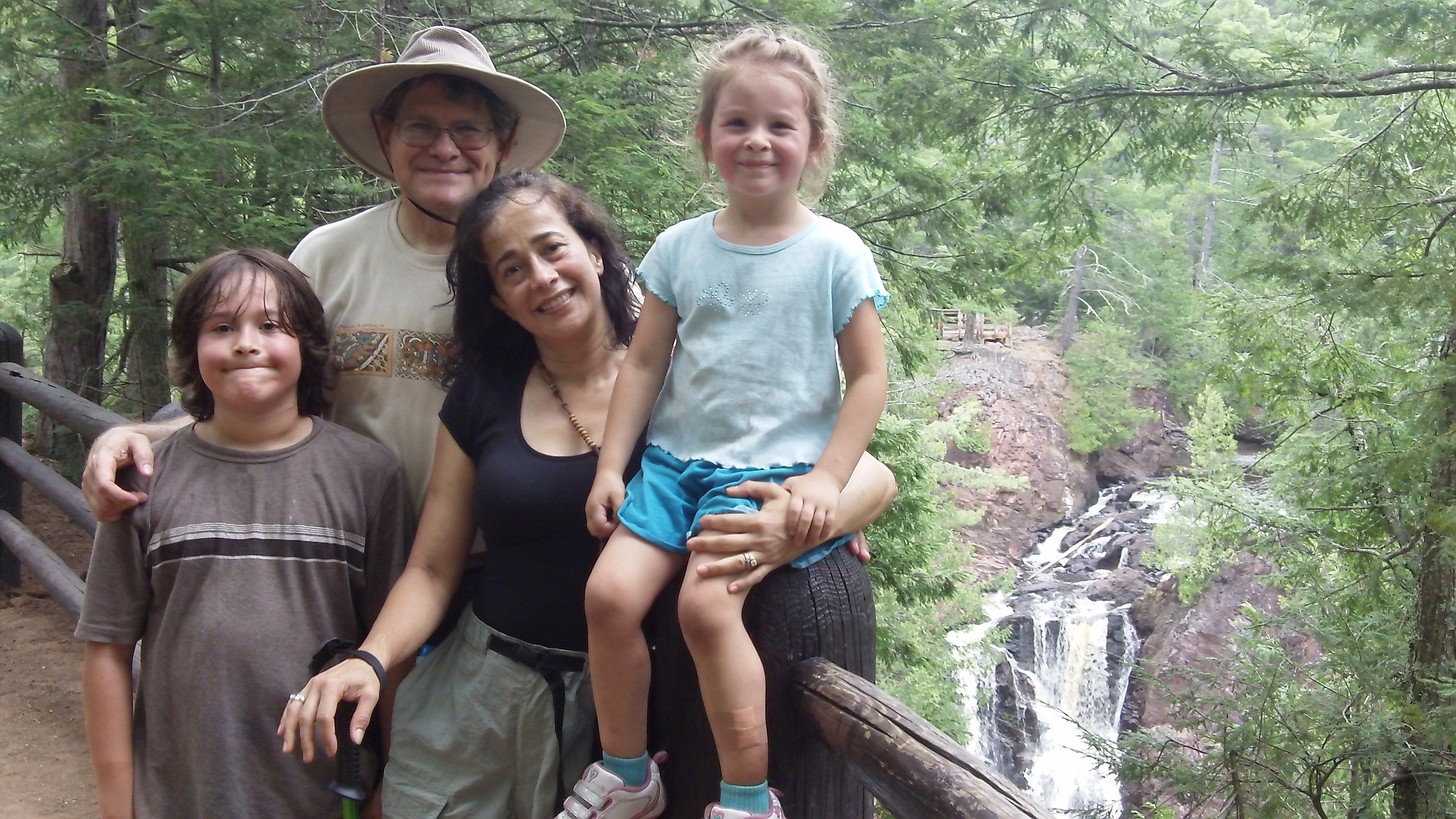
The family at Copper Falls State Park in Northern Wisconsin. The state couldn't kill the park through mining permits, so it looks like it's trying through defunding.

Our family at Copper Falls State Park in Northern Wisconsin. The state couldn’t kill the park through mining permits, so it looks like it’s trying through defunding.

Sound exaggerated?  Consider that Alabama has reckoned on closing 15 of its state parks, leaving only seven for the public to enjoy. Given that Wisconsin will remove all tax support for the parks, it’s reasonable to assume that some, if not many, of our 50 or so* state parks won’t be open when the next legislatively manufactured budget “crisis” rolls around in two years.

It’s crucial to note that the seven parks that would survive Alabama’s short-sighted proposal are those that have “consistently made a profit” over a three-year period, according to the state parks director.

Continue reading

Today’s preposterous idea: fossil fuel subsidies

floodAS

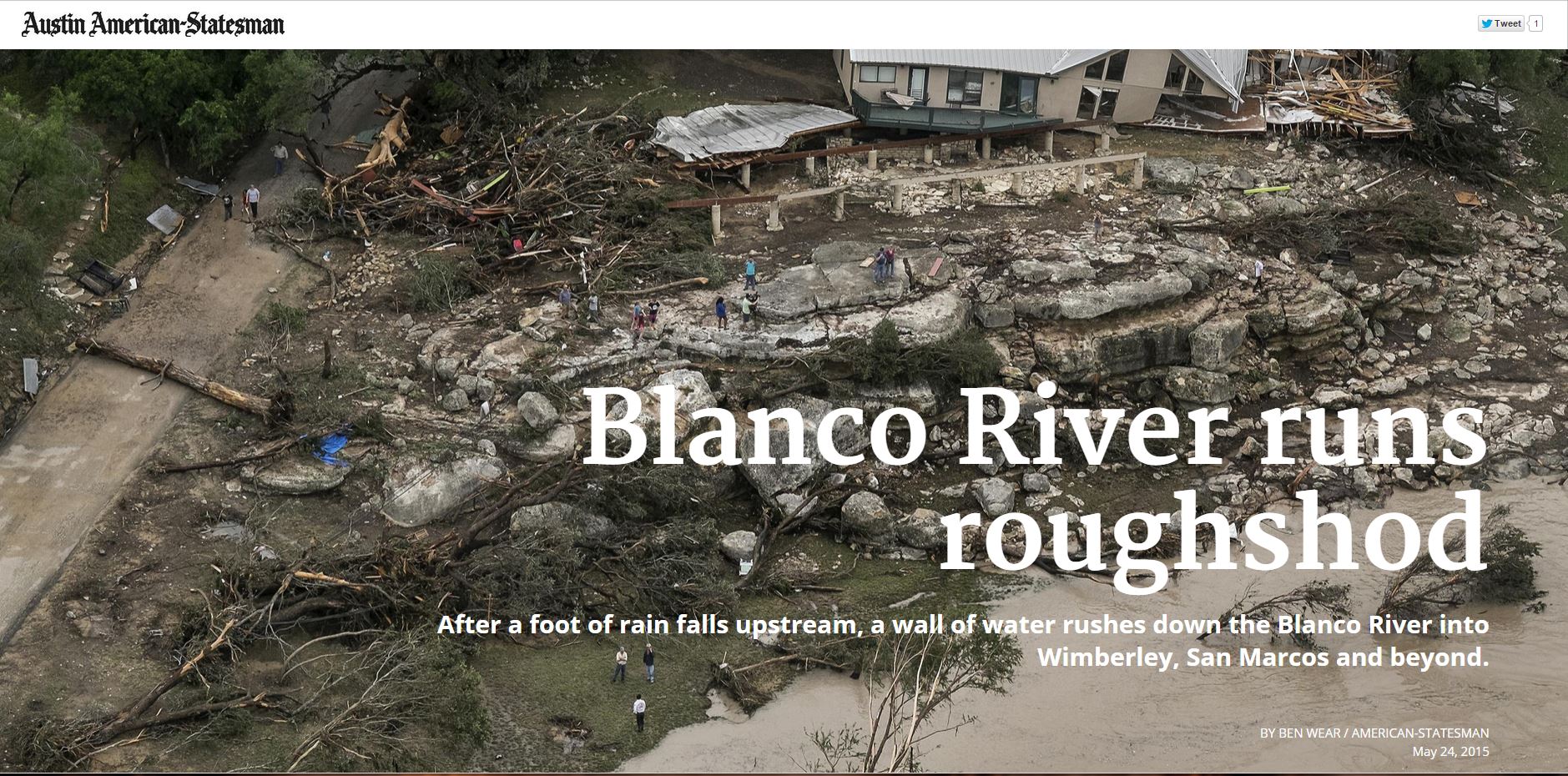
Click here to see Austin-American Statesman flood coverage.

Watching reports of yet another massive flood in Texas, part of the extreme climate events that are increasing in frequency, I am reminded of two or three previous “historic”  floods I lived through in what used to be my home state.  I still have lots of family members in Texas — thankfully all safe, but all of whom were affected one way or another by the extraordinary amounts of rainfall over the holiday weekend.

A few of them still don’t buy into the notion of climate change or its relationship to fossil fuels.  I expect most eventually will, as the Katrina effect takes hold, but this post isn’t for them, at least yet.  It’s a reminder for the rest of us to continue chipping away, as best as we can, at the intransigence of our family, friends, neighbors, co-workers, and especially, politicians.

Continue reading

Closing of Aboriginal communities drawing worldwide attention

closure

Click here to go to the Facebook page “Stop the Forced Closure of Aboriginal Communities in Australia”

As we prepare for our winterim trip to Sydney, we’ll examine more news like this.  A story this morning in USA Today on the potential closure of up to 150 Aboriginal communities in Western Australia is part of a steady worldwide stream of  articles and stories about this issue.

The official government stance is that this is an issue of expense, but Aboriginal rights groups, independent and liberal media, and others are suggesting could be related to international interest in uranium and other mining.  Critics, such as Natalie Cromb in this Independent Australia piece, call the government “puppets for multinational corporations.”

There is, of course, an activist Facebook page related to this issue, and I’ll be following it as part of my effort to keep updated on this issue (along with more mainstream media).

Clearly, this is a complex issue, and I’ve just begun to search out information myself.  Given that our course, COMM 373, is entitled “Communication and Social Change,” issues such as this will clearly be worth following over the next few months.

Here are a few links to international media stories about the potential closures:

I was hoping to find something from China Daily, but the best I could get was a paywalled version of the Agence Presse-France report linked above.

Watch my blog for more Australian news and updates on this story.

Thanks to Professor Mark Tolstedt, coordinator of the Australia winterim program, for sending the link today to the USA Today story.